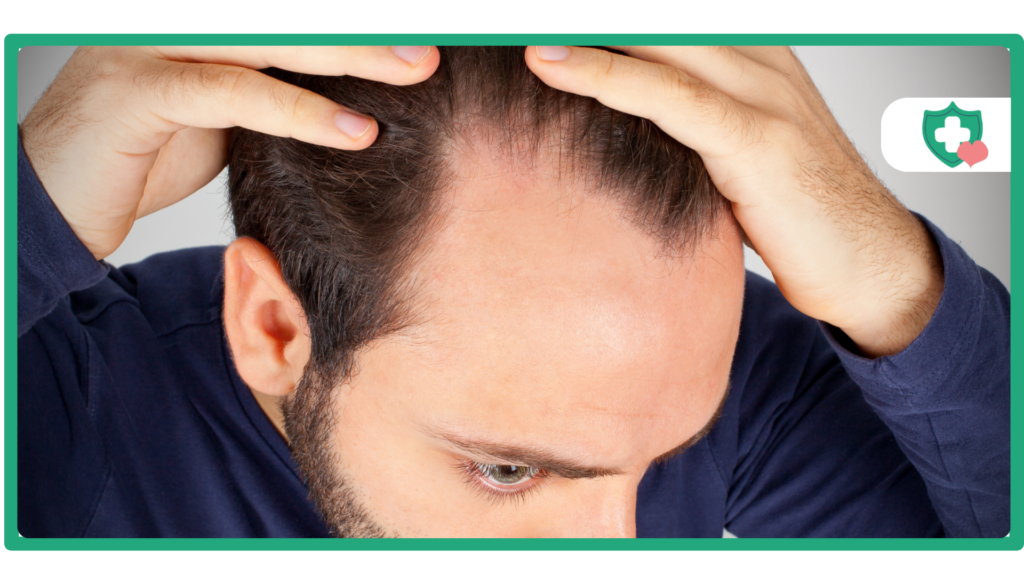


You started tirzepatide, the weight is coming off — and then you notice more hair in the shower drain than usual. It’s alarming. But before you panic, here’s the truth: how to manage hair loss on tirzepatide is a question with real, actionable answers — and the condition is almost always temporary.
This guide explains exactly why hair loss happens on tirzepatide, what the clinical data shows, and the proven steps you can take to protect your hair while continuing your treatment.
Is Hair Loss on Tirzepatide Normal?
Yes — and it’s more common than most people expect.
Clinical trial data for Zepbound (tirzepatide) showed that approximately 4–5% of participants reported some degree of hair shedding. In women, the rate was higher — around 7%.
But here’s the important part: tirzepatide doesn’t damage your hair follicles. The medication itself is not attacking your hair.
What’s actually happening has a name: telogen effluvium.
What Is Telogen Effluvium?
Telogen effluvium is a temporary form of hair shedding triggered by physical stress on the body.
Under normal conditions, about 85–90% of your hair is in an active growth phase. The rest is in a resting phase. When your body goes through a major physical change — like significant, rapid weight loss — it shifts a larger percentage of hair follicles into that resting phase simultaneously.
A few months later, those resting hairs shed all at once.
Key facts about telogen effluvium:
- It typically begins 2–4 months after the triggering event
- It causes diffuse thinning across the scalp, not patchy loss
- It is reversible — hair regrows once the body stabilizes
- It’s the same mechanism that causes hair loss after surgery, pregnancy, or crash dieting
According to research published in the NIH’s StatPearls database on telogen effluvium, recovery typically occurs within 3–6 months after the trigger is addressed.
Why Does Tirzepatide Trigger This?
Tirzepatide is a dual GIP/GLP-1 receptor agonist. It reduces appetite significantly, which helps produce the weight loss the medication is known for.
That same appetite suppression, however, can lead to:
- Reduced caloric intake — your body has less energy to dedicate to non-essential functions like hair growth.
- Lower protein consumption — hair is made of keratin, a protein. If you’re eating less, you may not be getting enough.
- Micronutrient gaps — reduced food volume can create deficiencies in iron, zinc, vitamin D, and B12 — all linked to hair health.
Because tirzepatide tends to produce more substantial weight loss than many other options, the body’s response can be more pronounced. The rapid physical change is the real driver of shedding — not the medication chemistry itself.
7 Proven Tips to Manage Hair Loss on Tirzepatide
1. Prioritize Protein at Every Meal
This is the single most impactful step you can take.
Aim for 60–100 grams of protein per day, even while your appetite is suppressed. Eat protein-rich foods first at every meal — before you fill up on lower-protein options.
Good sources: eggs, Greek yogurt, chicken, fish, cottage cheese, legumes
2. Get Your Labs Checked
Request a blood panel that includes:
- Ferritin (iron stores)
- Zinc
- Vitamin D
- Vitamin B12
- Thyroid panel (TSH)
Deficiencies in any of these can worsen hair shedding — and many people are already low in one or more before they start treatment. Catching deficiencies early gives you a head start.
3. Slow Down Your Weight Loss Rate If Possible
Losing weight faster than 1–2 pounds per week increases the physical stress on your body and raises your risk of telogen effluvium.
Talk to your provider about dose adjustments if your rate of loss is very rapid. Sustainable, gradual weight loss is typically better for both hair retention and long-term results.
At Tirzepatide Medics, providers work with each patient to set a pace that balances results with overall health.
4. Supplement Strategically (With Guidance)
Don’t just buy every hair supplement you see. Many do nothing for telogen effluvium.
Evidence-backed supplements to discuss with your provider:
- Iron — only if deficient (confirmed by labs)
- Vitamin D — widely deficient; safe to supplement in most cases
- Zinc — supports follicle function
- B12 — especially if your diet is low in animal products
A note on biotin: High-dose biotin does not prevent telogen effluvium in people with normal biotin levels. It can also interfere with thyroid and cardiac lab tests at high doses. Use it only if your labs show a true deficiency.
5. Be Gentle With Your Hair
While shedding, your hair is more vulnerable. Avoid additional mechanical stress:
- Minimize heat styling (blow dryers, flat irons, curling tools)
- Avoid tight hairstyles that pull on the scalp
- Use a wide-tooth comb on wet hair
- Choose sulfate-free, gentle shampoo
These steps won’t stop shedding, but they prevent additional breakage from making things worse.
6. Consider Minoxidil (With Provider Approval)
Minoxidil is FDA-approved for hair loss and is sometimes used off-label for telogen effluvium. It works by shortening the resting phase and encouraging follicles back into the growth phase.
It comes in topical form (liquid or foam) applied directly to the scalp. Results typically take 4–6 months to appear.
Talk to your provider before starting — it’s not right for everyone, but it’s a legitimate option for patients experiencing significant shedding.
7. Manage Stress Actively
Psychological stress elevates cortisol. Cortisol prevents hair follicle cells from dividing normally, worsening shedding.
Weight loss journeys can be emotionally demanding. Regular sleep, light exercise, and connecting with support systems all help regulate cortisol levels and support hair recovery.
A Closer Look: When Will Hair Stop Shedding?
Most patients see shedding slow down and stabilize once their weight loss plateaus and their nutritional intake becomes consistent. This typically happens 3–6 months after shedding begins.
Hair regrowth usually follows within another 3–6 months.
If shedding continues for more than 6 months without improvement — or if you notice patchy loss rather than diffuse thinning — schedule a provider evaluation. These patterns may point to an unrelated condition like thyroid dysfunction or androgenetic alopecia.
You can connect with a provider and raise these concerns through the Tirzepatide Medics patient portal.
Pricing Note: Don’t Let Hair Concerns Stop Your Treatment
Hair loss is understandably distressing. But telogen effluvium should not be a reason to stop tirzepatide.
The clinical trial data confirm that no participants discontinued treatment due to hair loss alone. The weight loss results — and the metabolic health improvements that come with them — typically far outweigh the temporary shedding.
If cost has been a barrier to starting or continuing treatment, review the full pricing options to find a plan that works for your budget.
For a full overview of what the treatment journey involves, visit the tirzepatide treatment page.
Frequently Asked Questions
Will my hair grow back after hair loss on tirzepatide?
Yes — telogen effluvium caused by weight loss is temporary, and hair typically regrows within 3–6 months once weight stabilizes and nutrition improves.
When does hair loss from tirzepatide typically start?
Hair shedding usually begins 2–4 months after starting treatment, as this is when follicles pushed into the resting phase begin to shed.
Should I stop taking tirzepatide if I’m losing hair?
In most cases, telogen effluvium is temporary and self-limiting, and no clinical trial participants stopped tirzepatide due to hair loss alone; consult your provider first.
Does tirzepatide cause permanent hair loss?
No — tirzepatide does not damage hair follicles directly; the shedding is driven by rapid weight loss and nutritional stress, not the medication itself.
Does eating more protein really help with hair loss on tirzepatide?
Yes — adequate protein (60–100 grams daily) is the most clinically supported nutritional strategy for reducing telogen effluvium during weight loss.
Is hair loss from tirzepatide more common in women?
Clinical trial data show hair loss occurred in approximately 7% of women using Zepbound versus about 0.5% of men, though the underlying mechanism is the same for both.
Sources
- FDA: Zepbound Prescribing Information (Adverse Events Section)
- NIH StatPearls: Telogen Effluvium
- NIH: SURMOUNT-1 Trial
- Drugs.com: Tirzepatide and Hair Loss