

If you have lost weight with a GLP-1 medicine, you are probably feeling great. But after celebrating your success, you might have a big question on your mind. You might be wondering, do you have to take GLP-1 forever? This is a very important question about the future of your health.
This guide is here to give you a clear and honest answer. We will look at why obesity is seen as a long-term condition. We will also talk about what happens if you stop the medicine and what long-term treatment looks like. This will help you make a smart plan for your health.
Managing your weight is a journey that continues over time. Having a supportive partner, like the friendly team at Tirzepatide Medics, can make a big difference in your long-term success.
Understanding Obesity as a Chronic Condition
To understand long-term treatment, we first need to change how we think about weight. It is not about a quick fix. It is about managing a long-term health condition.
Shifting the Mindset: Beyond a “Quick Fix”
For a long time, people thought that being overweight was just about lifestyle choices. But doctors now know that is not the whole story. They see obesity as a chronic disease, which means it is a condition that lasts for a long time. It is a lot like other chronic diseases, such as high blood pressure or diabetes.
Your body has something called a “set point.” This is the weight that your body is used to and feels comfortable at. When you lose weight, your body works very hard to get back to that old set point. GLP-1 medicines help by working with the hormones that control this set point, making it easier to keep the weight off.
Why GLP-1s Are a Treatment, Not a Cure
Think about it like this: if you have high blood pressure, you take medicine every day to keep it under control. You don’t just stop taking the medicine once your blood pressure number looks good. If you did, it would go right back up.
GLP-1 medicines work in a very similar way. They are a treatment for the chronic disease of obesity, not a cure. They help manage the condition and keep it under control as long as you are taking them.
What Happens If You Stop Taking GLP-1 Medications?
This is the most important part of understanding long-term use. What does the science say happens when the medicine is stopped?
The Science of Weight Regain
Big medical studies have looked at this exact question. They found that when people stop taking their GLP-1 medication, their bodies start to change back. The hormones that the medicine was helping to control go back to how they were before.
As a result, hunger and food cravings start to come back, often stronger than before. Your body’s metabolism might even slow down as it tries to gain back the weight it lost. The studies clearly show that most people regain a large amount of the weight they worked so hard to lose.
Is Weight Regain Inevitable?
The very high chance of regaining weight is why doctors recommend using these medicines for the long term. This is the clearest medical answer to the question, “do you have to take GLP-1 forever?”
For most people, the answer is yes, if you want to keep the weight off. The medicine is the tool that keeps your body from fighting to get back to its old weight.
The Strategy for Long-Term Success
Once you reach your goal weight, your journey isn’t over. It just changes. You move from losing weight to keeping it off.
Transitioning from Weight Loss to Weight Maintenance
The goal is now different. Instead of seeing the number on the scale go down, your new goal is to keep it stable. This is called the maintenance phase.
Finding Your Maintenance Dose
During this phase, your doctor will work with you to find your perfect “maintenance dose.” This is the lowest possible dose of the medicine that still keeps your hunger under control and prevents you from gaining weight.
Your maintenance dose might be lower than the dose you were taking to actively lose weight. This is a team effort between you and your doctor. A tool like a Tirzepatide dose calculator can help you see how the doses are slowly increased at the beginning. A similar careful approach is used to find the perfect long-term dose for you.
A Sustainable Path with Modern Treatment Options
The idea of taking a medicine for a long time can seem scary. But modern medicine has made this process easier and more affordable than ever before.
The Role of Advanced Medications like Tirzepatide
Newer medicines like Tirzepatide are very powerful tools for both weight loss and maintenance. It is a dual-agonist, which means it works on two different hormone pathways (GLP-1 and GIP).
This dual action gives it an extra strong effect on the hormones that control hunger. This makes it a fantastic tool for managing weight for the long term.
Making Long-Term Treatment Affordable and Accessible
Long-term care needs to be affordable. Modern telehealth programs are designed to provide a clear and simple path to getting the care you need.
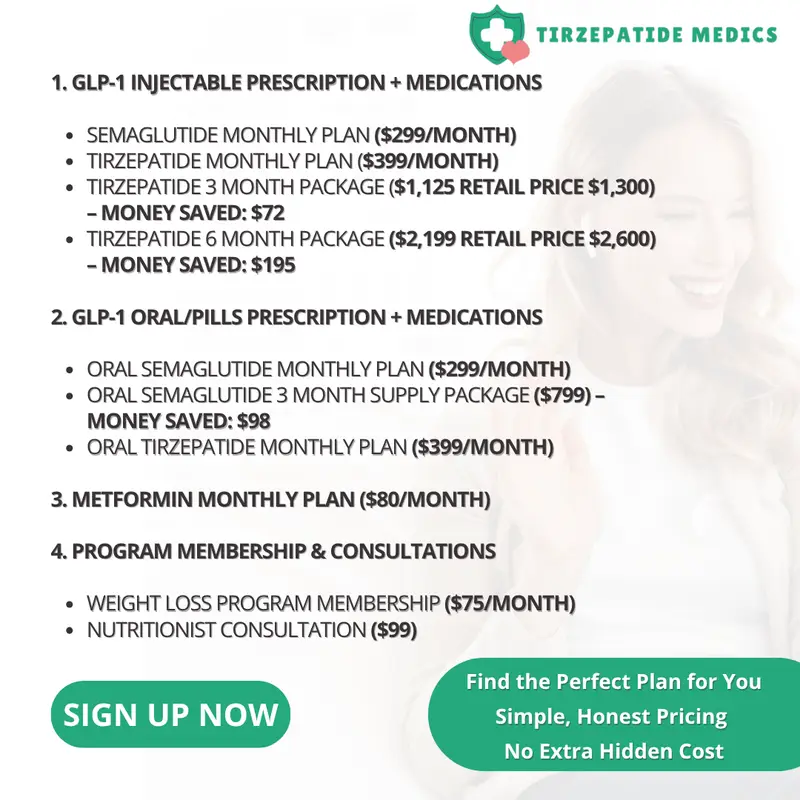
Note: For those looking for a powerful and sustainable option, you can get a Tirzepatide (Mounjaro) online prescription for weight loss through Tirzepatide Medics. Their program offers a clear path to long-term success.
The plan starts at $399 for the first month, then $299 per month. This price includes your medical consultation, your prescription, and your medication, making your continuous care predictable and easy to budget for.
Lifestyle Habits: Your Partner in Long-Term Maintenance
The medication is a very important tool, but it works best when it has a partner. That partner is your healthy lifestyle.
The Medication is a Tool, Not a Replacement
The healthy habits you learn while you are losing weight are so important for keeping it off. The medicine makes it easier to build these habits, but it doesn’t replace them.
Continuing to eat healthy foods, getting regular exercise, and making sure you get enough sleep are all key parts of your long-term success. The medicine and your healthy habits work together as a team.
The Importance of Ongoing Support
Having a supportive care team on your side is also a huge help. Regular check-ins with your provider help you stay on track. They can help you adjust your plan and keep you accountable. Discussing the long-term plan, including answering “do you have to take GLP-1 forever” with your provider ensures you’re both on the same page.
Good telehealth services make it easy to stay in touch. Many offer a patient portal where you can send messages to your care team anytime. This makes getting support very convenient.
Conclusion: A Commitment to Your Long-Term Health
So, let’s go over the main answer one last time. Do you have to take GLP-1 forever? For most people who want to keep the weight off for good, the answer is yes. The key is to see it as a long-term treatment for a chronic health condition.
If you stop taking the medicine, you will likely regain the weight. This is not because you failed, but because the medicine was controlling the body’s natural urge to go back to its old weight.
Committing to a long-term plan is a commitment to your health and your future. With the right medicine, a healthy lifestyle, and a supportive medical team, you can successfully manage your weight for many years to come. If you are ready to talk about your own long-term plan, you can contact a professional team to get started.