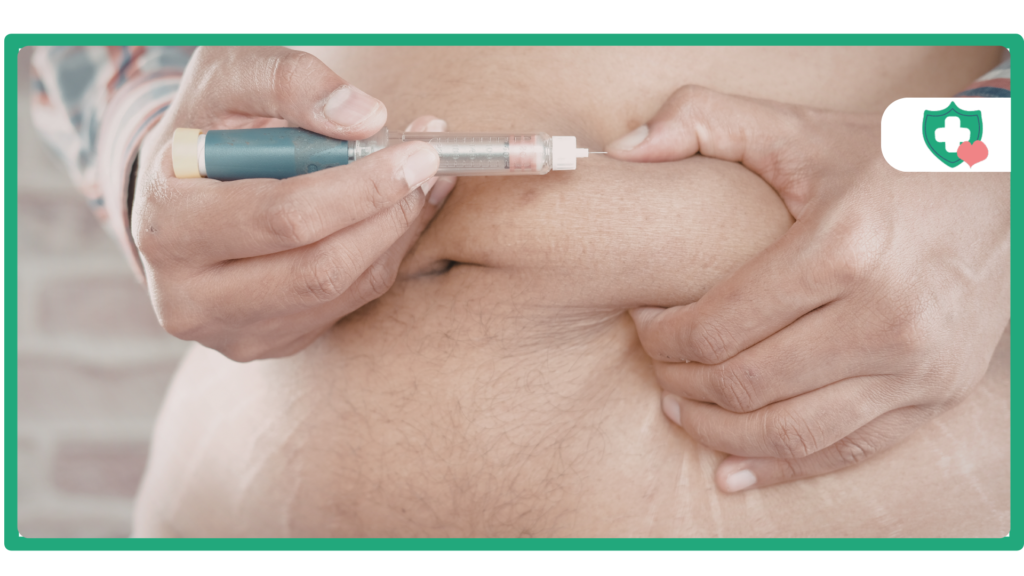


With the introduction of dual-agonist drug therapy, the ability to maintain metabolic wellness and body weight has changed dramatically. One of the most well-known examples of this is Tirzepatide, which has taken the world by storm and created an enormous buzz in the medical community. Due to the required lower “starter” dose for treatment initiation, many patients will ultimately move through to the higher doses (10 mg, 12.5 mg, and 15 mg), at which point, the greatest clinical changes will occur.
Note: In some telehealth or compounding programs, weekly doses of 10 mg-15 mg incur an additional fee (e.g., $61)-check your provider’s billing.
Overview: Higher-Dose Tirzepatide Explained
Tirzepatide is not simply another weight loss medication; it is an advanced GLP-1 (glucagon-like peptide-1) and GIP (glucose-dependent insulinotropic polypeptide) receptor agonist. In other words, Tirzepatide works as an innovative form of treatment for multiple aspects of metabolic dysfunction by imitating the functions of two different hormones that naturally occur in the intestines.
Why 10 mg-15 mg Doses Are Prescribed
The highest dosage of Tirzepatide (10 mg to 15 mg) is where most people achieve their full therapeutic benefits. The lower dosages of Tirzepatide (2.5 mg and 5 mg) are primarily intended for helping patients adjust to the medication and minimize any gastrointestinal side effects they may experience. Many individuals using Tirzepatide at the maximum dosage (10 mg-15 mg) have found that this is the correct dosage for overcoming plateaus in their weight loss or achieving stricter A1c targets with the management of Type 2 Diabetes.
Starter Doses vs. Higher Maintenance Doses
- Starter Doses (2.5 mg-5 mg): Designed for metabolic “onboarding.”
- Intermediate Doses (7.5 mg and 12.5 mg): Bridges to maintenance.
- Maintenance Doses (10 mg-15 mg): These are the levels intended for long-term use to sustain weight loss and glycemic control.
What Is Tirzepatide?
The “dual” nature of Tirzepatide is what sets it apart from predecessors like Semaglutide (Ozempic/Wegovy).
- GLP-1 Component: Slows gastric emptying and signals the brain that you are full.
- GIP Component: Enhances insulin secretion and, perhaps more importantly, is thought to improve how the body breaks down fat and manages energy expenditure. Together, these hormones regulate appetite at the brain level and improve insulin sensitivity at the cellular level.
Brand Names and Approved Uses
Currently, Tirzepatide is marketed under two brand names, though the underlying molecule is identical:
- Mounjaro: FDA-approved for the treatment of Type 2 Diabetes.
- Zepbound: FDA-approved for chronic weight management in adults with obesity or overweight conditions with at least one weight-related comorbidity.
Understanding Tirzepatide Dosage Levels
The titration process is a marathon, not a sprint. To minimize side effects, providers typically follow a 4-week escalation protocol:
- Weeks 1- 4: 2.5 mg weekly
- Weeks 5 – 8: 5 mg weekly
- Weeks 9 – 12: 7.5 mg weekly
- Weeks 13 – 16: 10 mg weekly
- Weeks 17 – 20: 12.5 mg weekly
- Week 21+: 15 mg weekly (if tolerated)
When Are 10 mg-15 mg Doses Recommended?
Not everyone needs to reach 15 mg. However, escalation is usually recommended if:
- Medication Tolerance: The patient has successfully tolerated lower doses without severe GI distress.
- Weight-Loss Plateaus: Weight loss has stalled for 4+ weeks at a lower dose.
- Diabetes Goals: Blood glucose levels remain above the target range.
Tirzepatide 10 mg vs. 15 mg: Key Differences
| Feature | 10 mg | 15 mg |
| Appetite Suppression | Strong | Very strong |
| Average Weight Loss | High | Highest recorded in trials |
| Side Effect Likelihood | Moderate | Higher (during transition) |
| Typical Use | Maintenance or escalation | Maximum therapeutic dose |
Benefits of Tirzepatide 10 mg–15 mg
When comparing the 10-15 mg doses of Tirzepatide to diet and exercise lifestyle modification, these doses tend to exhibit a more substantial effect on body fat accumulation due to decreasing the rate at which fat is gained (the “starvation response”) when using higher doses of this medication. It also allows individuals to maintain a lower body set point than what would be achieved through dieting alone while simultaneously promoting increased muscle preservation through resistance training.
Improved Blood Sugar Control
Type 2 Diabetics will see the greatest effect on lowering HbA1c with a 15 mg dose. It enhances insulin secretion in response to high blood sugar only, which makes it safer than older insulin therapies and has a much lower risk of hypoglycemia.
Reduced Food Cravings (“Food Noise”)
As a result of the 10-15 mg dose, patients have experienced a reduction in their “food noise,” or constant preoccupation with their next meal. The higher concentration of the drug amplifies the central appetite signals within the hypothalamus.
Cardiometabolic Benefits
Beyond the scale, these doses are linked to:
- Improved Cholesterol: Lowering LDL and triglycerides.
- Blood Pressure: Significant reductions in both systolic and diastolic pressure.
Expected Weight Loss Results at Higher Doses
Based on the results of SURMOUNT-1 trials, the average percentage of weight loss for a person taking 15 mg of the medication after 72 weeks will be ~20.9% (with an even greater average of weight loss seen in maintenance extensions such as SURMOUNT-4).
Real-World Weight Loss Expectations
In addition to the results seen in clinical trials, a patient may also see an equal or greater amount of success in the “real world.” Multiple other factors will affect the weight loss experienced by a patient in the “real world,” including protein intake, quality of sleep, and a person’s baseline metabolic rate when starting to use this medication.
Tirzepatide 10 mg-15 mg Cost Breakdown
The retail price for brand-name Tirzepatide (Mounjaro or Zepbound) typically ranges from $1,000 to $1,400 per month.
Insurance and Savings
- Insurance: Coverage varies; many plans cover Mounjaro for diabetes but exclude Zepbound for obesity.
- Savings Cards: Savings cards (e.g., LillyDirect) cap at $550 uninsured or $25 insured.
- Compounded Options: Due to shortages, some patients turn to compounded Tirzepatide. Compounded options range from $300 to $800 per month – use FDA-registered pharmacies only (shortages largely resolved by 2025).
Get Your Prescription Online with Tirzepatide Medics
Ready to lose weight with real medical support? Get started today with Tirzepatide Medic’s physician-supervised program-no hidden fees, no insurance required. Book your free consultation today and begin seeing measurable results in as little as a few weeks.
What to Expect When Increasing to 10 mg or 15 mg
As the dose increases, the body’s reaction can intensify. Common symptoms include:
- Nausea and Vomiting: Usually most acute 24-48 hours after the injection.
- Gastrointestinal Changes: Diarrhea or, more commonly, significant constipation.
- Fatigue: A feeling of “heaviness” or lethargy as the body adjusts to a lower caloric intake.
Tips to Tolerate Higher Doses
- Prioritize Protein: Aim for 0.8 g to 1 g of protein per pound of lean body mass.
- Hydrate with Electrolytes: Water alone isn’t enough; magnesium and potassium help combat fatigue.
- The “Slow” Approach: If 10 mg is working well, there is no clinical requirement to rush to 12.5 mg or 15 mg.
Who Should Avoid 10 mg-15 mg Tirzepatide?
A high dose of Tirzepatide is a potent therapeutic option and is not the appropriate choice for all patients. The following are contraindications for treatment with a high dose of Tirzepatide:
- Personal or family history of Medullary Thyroid Carcinoma (MTC)
- Multiple Endocrine Neoplasia syndrome type 2 (MEN).
- History of Pancreatitis
- Pregnancy or Breastfeeding should be discontinued at least 2 months before the planned pregnancy.
Tirzepatide vs. Other GLP-1 Medications
The SURPASS clinical trials found that Tirzepatide was better than Semaglutide for lowering “A1c” and causing weight loss. The ability of Tirzepatide to perform better than Semaglutide is due to the addition of the GIP component to Tirzepatide, which is missing from Semaglutide.
Tirzepatide vs. Retatrutide
Retatrutide is a new type of medication that stimulates GLP-1, GIP, and Glucagon (triple agonist). While some preliminary evidence suggests that Retatrutide may be more effective than Tirzepatide, Retatrutide is still only in Phase 3 of clinical trials and therefore not available for prescription in 2024-2025.
Key Takeaways
Moving on to Tirzepatide doses between 10 mg and 15 mg represents the next stage to your better health. Utilising these medication doses provides patients with the most considerable opportunity for weight loss and stable blood sugar levels; however, they must also be committed to maintaining proper hydration and dietary nourishment, as well as successfully treating any side effects that may arise during use.
- 15mg is the peak: It provides you with the maximum amount of appetite suppression possible; however, you will need to take extra care to ensure that your gastrointestinal system is healthy when taking this dose.
- Cost varies: It is essential to be prepared for potential pricing changes if you choose to access the medication through certain types of programmes or compounds.
- Supervision is vital: Patients should never increase their dosage without consulting their provider.
Frequently Asked Questions (FAQs)
What is the expected weight loss efficacy at the 10 mg-15 mg dosage?
Evidence from clinical trials indicates that a 15 mg dose results in an estimated average loss of approximately 21%-22.5% body weight, which represents the peak therapeutic effect for fat mass reduction and metabolic reset.
Is 15 mg established as the maximum therapeutic dose?
The FDA only approves dosing of 15 mg weekly for chronic obesity and Type 2 Diabetes. There are currently no available clinical studies to indicate that doses above that amount are safe and effective for patients.
How rapidly do clinical results manifest at these higher doses?
There is a significant physiological change that happens soon after dosing; however, visible weight loss generally stabilizes into a consistent weight loss pattern after reaching the 10 mg dosing threshold. Higher doses will typically provide the greatest improvement in “food noise” and HbA1c levels.
Are these higher doses safe for long-term maintenance?
Long-term studies of 10 mg-15 mg dosing indicate that these dosages can be safely administered to patients to achieve and maintain an appropriate metabolic set point to prevent the weight cycle from occurring in individuals with chronic obesity.
Is it permissible to revert to a lower dose after reaching 15 mg?
Dose reduction is a standard clinical strategy if a patient encounters persistent side effects or has transitioned into a weight-maintenance phase. Any downward adjustment must be coordinated with a provider to ensure blood glucose and appetite remain stable.
What is the protocol for a missed dose?
A missed dose should be administered within 4 days (96 hours) of the original schedule. If more than 4 days have elapsed, the dose should be skipped entirely to resume the normal schedule the following week; doses must never be doubled.
Does insurance typically cover the 10 mg or 15 mg concentrations?
Coverage depends on policy and diagnosis (e.g., diabetes vs. obesity). In some programs, 10 mg-15 mg doses may incur extra fees (e.g., $61).
Is compounded tirzepatide bioequivalent to brand-name versions?
It uses the same active ingredient but lacks FDA approval for equivalence; source only from accredited pharmacies with potency testing (not identical per FDA).
Resources
https://pi.lilly.com/us/mounjaro-uspi.pdf
https://pi.lilly.com/us/zepbound-uspi.pdf
https://www.accessdata.fda.gov/drugsatfda_docs/label/2022/215866s000lbl.pdf
https://www.accessdata.fda.gov/drugsatfda_docs/label/2025/217806Orig1s020lbl.pdf
https://www.nejm.org/doi/full/10.1056/NEJMoa2206038
https://clinicaltrials.gov/search?term=tirzepatide