



Metabolic medicine is undergoing tremendous change at an increasingly rapid rate. As we were just becoming acquainted with drugs such as Ozempic and Mounjaro, we began hearing a new name in the hallways of clinicians: Retatrutide.
Retatrutide is often referred to by several nicknames, including Triple G and RET-3G. The development of Retatrutide is the next step in the advancement of metabolic health and weight management. One of the key questions many people have about the development of effective obesity medications is not only whether they will work, but also when they will be available for use. As we near 2026-2027, we have created a complete overview of the development of Retatrutide, along with its importance and expected release dates for use within the next few years.
What Is Retatrutide?
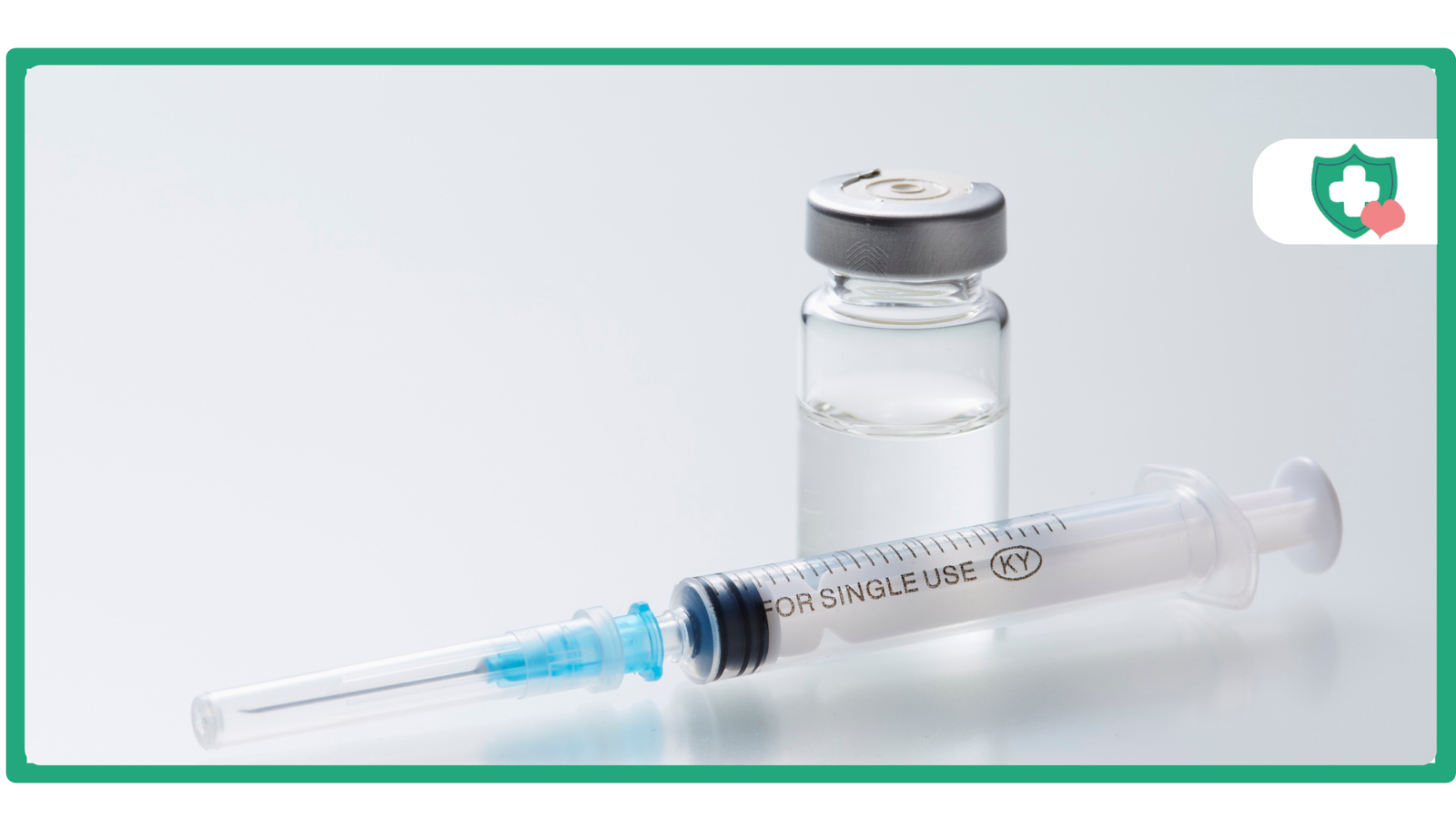
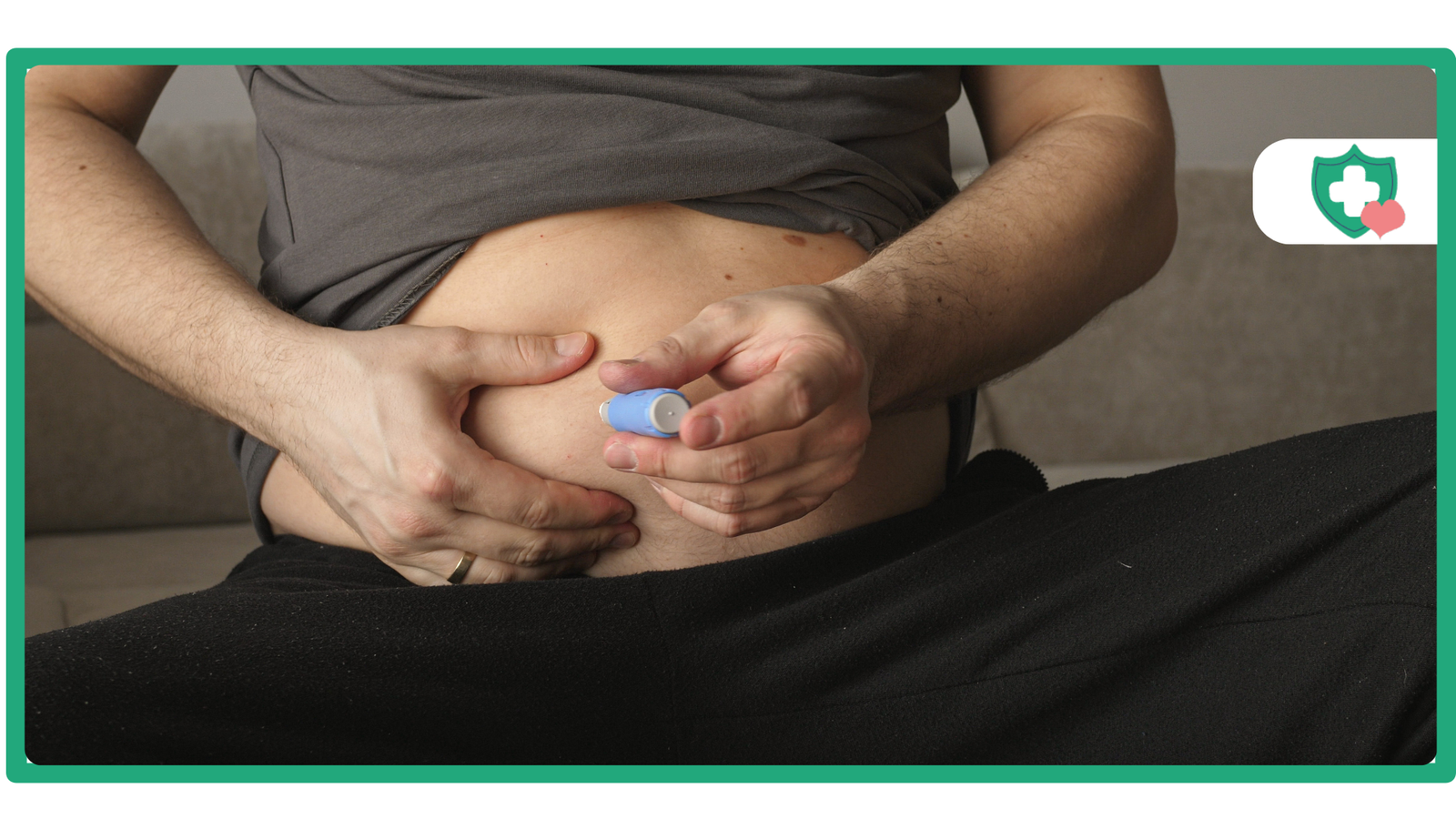
Retatrutide is an experimental injectable drug developed by the pharmaceutical company Eli Lilly & Company. Although Retatrutide is classified as part of the GLP-1 family of drugs, unlike most of the currently available GLP-1 drugs, it is significantly more complicated than the existing ones.
The Triple-Agonist Mechanism
Unlike existing weight management products, which generally target one or two hormone receptors, Retatrutide is a three-hormone receptor agonist. It mimics three different hormones that naturally occur in the human body.
- GLP-1 (Glucagon-like peptide-1): Slows gastric emptying and signals fullness to the brain.
- GIP (Glucose-dependent insulinotropic polypeptide): Improves insulin sensitivity and helps break down fat.
- Glucagon: This is a key differentiating mechanism of Retatrutide. By stimulating the glucagon receptor, the drug may increase energy expenditure (calorie burning) and further improve liver fat metabolism.
How It Differs from Semaglutide and Tirzepatide
Retatrutide can be viewed as an evolution in the continuous line of GLP-1 receptor agonist therapy for treating obesity. The original single-receptor agonist Semaglutide (Wegovy and Ozempic) was later succeeded by Tirzepatide (Zepbound/Mounjaro), which was developed to be a dual receptor agonist of both GLP-1 and GIP receptors. In the development of Retatrutide, a third metabolic activity of glucagon is also being added; thus, as a tri-agonist for three different receptor classes targeting three different aspects of the metabolic pathway, Retatrutide could potentially improve on the weight loss plateau effect that many patients experienced while taking previous medications.
Why Retatrutide Is Significant
Unprecedented Weight Loss Potential
During Phase 2 clinical trial testing, the results from Retatrutide were remarkable. The individuals who received the highest dose of Retatrutide (12mg) lost an average of 24.2% of their body weight at week 48, which is comparable to an average outcome for successful weight loss due to a weight loss surgery, specifically sleeve gastrectomy (approximately 20% to 25%).
Metabolic Beyond the Scale
Beyond weight loss, the triple-agonist approach shows massive promise for:
- Non-alcoholic fatty liver disease (NAFLD): Early data suggested a significant reduction in liver fat content.
- Type 2 Diabetes: Potential for superior glycemic control.
- Lipid Profiles: Significant improvements in cholesterol and blood pressure.
Specialists are excited because Retatrutide doesn’t just suppress appetite; it seems to actively “tune” the metabolism to be more efficient.
Current Development and Approval Status
As of early 2026, Retatrutide is not a product you can find at a pharmacy. It is currently in the most critical stage of its journey: Phase 3 Clinical Trials.
The Clinical Trial Path
- Phase 1: Tested for safety in a small group of people. (Completed)
- Phase 2: Tested for efficacy and side effects in a larger group. (Completed with high success)
- Phase 3: Current stage. These are massive, global trials (the TRIUMPH program) involving thousands of participants. They are designed to confirm the Phase 2 findings across diverse populations and monitor for long-term safety.
Why hasn’t the FDA approved it yet?
To ensure long-term safety and efficacy, the U.S. Food and Drug Administration (FDA) requires significant amounts of evidence to demonstrate that a drug classified as “chronic” (i.e., used over an extended period) is safe for continual use. In the case of Retatrutide, the impact of the glucagon receptor on heart rates has made the FDA particularly attentive to collecting cardiovascular safety data related to the drug’s use. Skipping this step is unacceptable because it will prevent any unexpected long-term costs associated with the miracle drug and provide essential data that will support ongoing research into the healthfulness of chronic medications.
Regulatory Timeline: What to Expect by 2026–2027
When it comes to predicting the launch of new drugs, clinical research timelines, as well as the mathematical modelling needed to make those predictions, play a significant role. In the case of predicting what will happen in 2026, here is what is currently known:
Phase 3 Trial Completion:
The TRIUMPH trials (as posted on ClinicalTrials.gov) are expected to have their primary completion date by Quarter 4, 2026. Once the last patient completes his/her final visit from this trial, researchers are then required to “clean” and analyse the data collected, and complete thousands of pages of summarised reports on the findings of their research.
FDA Submission and Review (The NDA):
Once the data is ready, Eli Lilly will submit a New Drug Application (NDA) to the FDA.
- Standard Review: Takes about 10 months.
- Priority Review: If the FDA deems Retatrutide a “breakthrough therapy,” they could shorten the review to 6 months.
Global Approval Considerations:
While it is not uncommon for the FDA to approve products before the European Medicines Agency (EMA), as well as regulatory organisations from other countries, the timelines for approval by the EMA, etc. often differ, sometimes by several months to one year behind the approvals by the FDA, in accordance with the negotiated pricing agreements between the manufacturer and the national health authorities of its country.
Retatrutide Availability in 2026–2027
- Late 2026 (The “Best Case” Scenario): If Phase 3 trials conclude early, show impeccable safety, and the FDA grants a priority review, we could see a late Q4 2026 launch.
- Early to Mid-2027 (The “Most Likely” Scenario): Most industry analysts point to the first half of 2027. This allows for standard review times and the massive manufacturing ramp-up required to meet expected demand.
- Late 2027 or Beyond: Possible if the FDA requests additional “CVOT” (Cardiovascular Outcome Trials) data or if manufacturing hurdles occur.
How Retatrutide May Compare With Existing Treatments
| Feature | Semaglutide (Wegovy) | Tirzepatide (Zepbound) | Retatrutide (Investigational) |
|---|---|---|---|
| Receptors | GLP-1 | GLP-1 + GIP | GLP-1 + GIP + Glucagon |
| Avg. Weight Loss | ~15% | ~21% | ~24% (Phase 2, 48 weeks; Phase 3 pending) |
| Dosing | Weekly Injection | Weekly Injection | Weekly Injection |
| Key Advantage | Established safety record | Superior to GLP-1 alone | Potential “triple” metabolic hit |
Tolerability and Side Effects
The side effects of Retatrutide compared to previous GLP-1 medications will be a key comparison point. Similar to previous GLP-1 medications, Retatrutide also produces gastrointestinal problems such as nausea and vomiting; however, researchers are monitoring for possible new side effects associated with the addition of glucagon to the product, such as increased heart rate or different sensations of fullness.
Access Options Before Official Approval
While waiting until 2027 feels like a long time, there are limited ways to access the drug now.
Participation in Clinical Trials
The only legal and safe way to receive Retatrutide today is by enrolling in a Phase 3 clinical trial. You can search clinicaltrials.gov for the “TRIUMPH” studies to see if any sites near you are still recruiting.
The Danger of “Compounded” Retatrutide
Currently, there is no FDA-approved “generic” or “bulk” version of Retatrutide. Any website or clinic claiming to sell “Research Grade Retatrutide” is operating in a legal gray area and posing a significant health risk. Without FDA oversight, you have no guarantee of the purity, dosage, or even the actual chemical identity of what you are injecting.
What Retatrutide’s Approval Could Mean for Obesity Treatment
- Redefining “Success”: We may move from hoping for 10% weight loss to expecting 25%.
- Increased Competition: More drugs on the market often lead to better insurance coverage and, eventually, lower prices as manufacturers vie for “preferred” status on drug formularies.
- Specific Targeting: Doctors might eventually prescribe Retatrutide specifically for patients with fatty liver disease, while using Tirzepatide for others, moving toward a “personalized medicine” approach.
Safety and Regulatory Considerations
It is important to remember that Retatrutide is still a “chemical candidate.” While the results are promising, the regulatory process exists for a reason.
- Heart Rate Monitoring: Because glucagon can increase heart rate, long-term cardiovascular safety is the primary metric the FDA will scrutinize.
- Physician Supervision: This is not a “lifestyle” drug. It is a powerful metabolic intervention that requires blood work, dose titration, and medical oversight.
- The Risks of Shortcuts: As we wait for 2026–2027, the temptation to buy “peptides” online is high. However, the risk of contaminants or incorrect pH levels can lead to permanent tissue damage or systemic infection.
Final Thoughts
Retatrutide represents a major achievement within the field of women’s health and metabolic health. Assuming that the Phase 3 results confirm previous study results, we should see a product approved by the FDA that has the potential to change the lives of literally millions of people.
Those living today with metabolic health challenges don’t have a long path ahead until the initial approval of Retatrutide in 2026-2027. The best strategy for somebody like this is to take advantage of current products on the market that are readily accessible, such as Semaglutide and Tirzepatide, as they are both already FDA-approved and are far less likely to make a significant difference in patient outcome than any future products.
Frequently Asked Questions (FAQs)
Is Retatrutide approved by the FDA?
No. It is currently an investigational drug in Phase 3 trials.
When is Retatrutide expected to be available?
The current estimate is late 2026 (best case, priority review) to mid-2027 (most likely), pending successful Phase 3 results and FDA review.
Is Retatrutide more effective than Wegovy or Zepbound?
Phase 2 data suggest it may lead to higher average weight loss (24% vs. 15-21%), but Phase 3 trials are needed to confirm this in larger populations.
Is compounded Retatrutide safe?
No. There is no approved source for the raw ingredients of Retatrutide for compounding pharmacies. Anything sold as such is unverified and potentially dangerous.
What makes Retatrutide different from tirzepatide?
Tirzepatide is a dual agonist (GLP-1/GIP). Retatrutide adds a third receptor target: Glucagon, which may further boost calorie burning and liver health.
Resources
- https://www.nejm.org/doi/full/10.1056/NEJMoa2301972
- https://clinicaltrials.gov/study/NCT05929066
- https://www.lilly.com/news/press-releases/lillys-phase-2-retatrutide-results-published-in-new-england-journal-medicine
- https://investor.lilly.com/news-releases/news-release-details/lillys-triple-agonist-retatrutide-delivered-weight-loss
- https://en.wikipedia.org/wiki/Retatrutide
- https://www.fda.gov/drugs/drug-approvals-and-databases/new-drug-applications-nda
- https://www.ema.europa.eu/en/medicines
- https://www.nytimes.com/2025/12/11/health/eli-lilly-retatrutide-weight-loss-drug.html
- https://www.cnbc.com/2025/12/11/eli-lillys-weight-loss-drug-retatrutide-clears-first-late-stage-study.html
- https://medical.lilly.com/us/products/answers/what-retatrutide-clinical-trials